


Tepid Winter: Rodent Invasion During Cold Months
Tepid Winter, Rodent Population, Winter Pests
Tepid Winter: Why Milder Cold Months Bring More Rodents Into Your Space
When a tepid winter settles in and temperatures stay warmer than usual, many homeowners and business owners expect pests to stay outdoors or go dormant. Instead, they often notice more scratching in the walls, droppings in storage areas, and gnawed packaging. Understanding why the rodent population can spike indoors during milder cold months is the first step to protecting your property and peace of mind.
What Is a Tepid Winter and How Does It Affect Rodents?
The term tepid winter describes extended periods of warmer-than-normal cold weather, often with fewer hard freezes and more frequent thaws. These milder conditions are still challenging for wildlife, especially small mammals, but they also keep rodents more active for longer. For mice and rats, cool nights, damp conditions, and limited but still-available food outdoors create steady pressure to find warmth, shelter, and reliable food sources. Your home or business offers all three, making it a prime target for cold weather rodents during a tepid season.
Animal Behavior: Why Rodent Populations Surge Indoors in a Tepid Winter
To manage winter pests effectively, it helps to understand basic animal behavior. Rodents are opportunistic survivors. In a tepid winter, they stay active for more months of the year and respond in three key ways:
Seeking steady warmth: Mice and rats follow heat sources, squeezing through gaps as small as a dime to reach attics, crawlspaces, and wall voids when outdoor temperatures dip at night.
Following food: Birdseed, pet food, stored grains, and even garbage become magnets for a growing rodent population, especially when natural food outside is inconsistent.
Nesting for safety: Insulation, cardboard boxes, and cluttered storage areas provide perfect nesting material and cover from predators throughout a longer, milder season.
Once inside, rodents reproduce quickly. A single pair of mice can lead to dozens of offspring in just a few months. That is why a tepid winter often feels like it “caused” more rodents, when in reality the milder conditions simply keep them active, push them indoors, and give them ideal conditions to multiply.
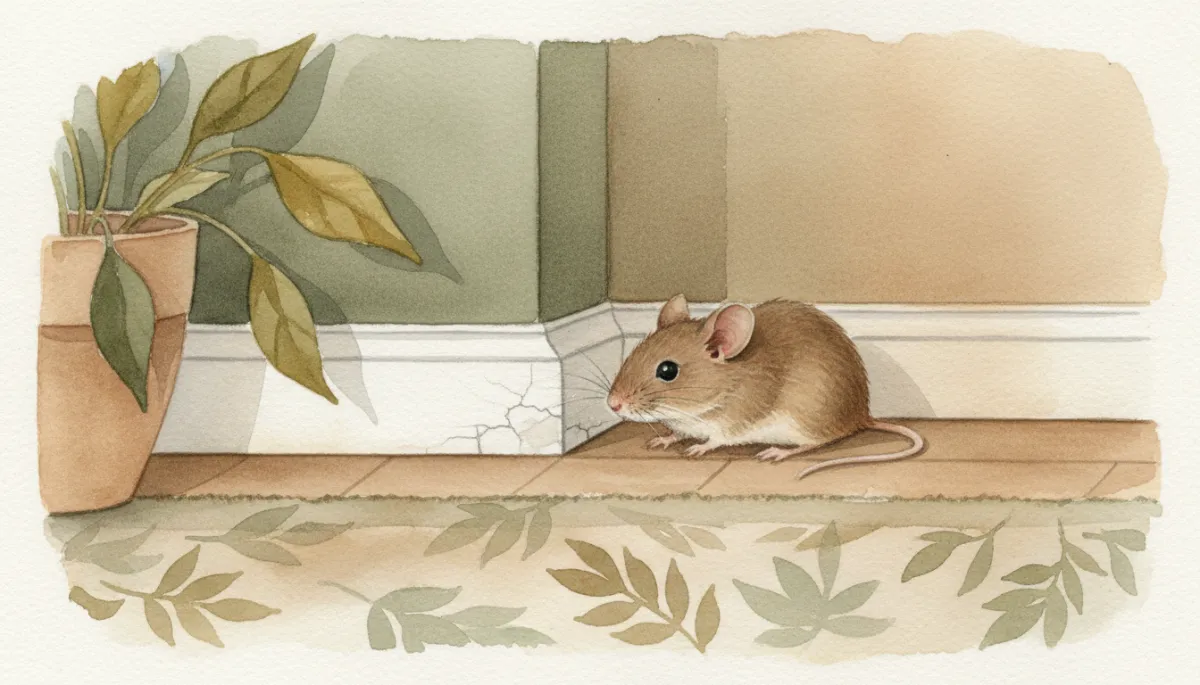
Even tiny gaps in baseboards or foundations can invite persistent winter rodents inside.
Common Cold Weather Rodents Around Homes and Businesses
In our region, the most common cold weather rodents are house mice, deer mice, and Norway rats. Each presents serious risks:
Health concerns: Rodents can carry bacteria, viruses, and parasites that contaminate surfaces and food.
Property damage: Gnawing on wiring, insulation, and structural wood can lead to costly repairs and even fire hazards.
Reputation risk: For businesses, visible signs of winter pests can damage customer trust and violate health codes.
Practical Pest Control Tips for a Tepid Winter
You can’t change the weather, but you can make your property far less attractive to rodents. Here are practical pest control tips to use throughout a tepid winter season:
Seal entry points: Inspect foundations, door sweeps, utility lines, and rooflines. Use steel wool and caulk or metal flashing to close gaps.
Protect food sources: Store pantry items, pet food, and birdseed in sealed, rodent-proof containers. Clean up spills promptly.
Reduce clutter: Keep basements, attics, and storage rooms organized so nesting sites are limited and signs of activity are easier to spot.
Monitor regularly: Look for droppings, gnaw marks, and greasy rub marks along walls. Address small issues before they become infestations.
📌 Key Takeaway: The earlier you respond to signs of a growing rodent population, especially during a tepid winter when pests stay active longer, the easier and more affordable it is to regain control.
When to Call Wildwoods Pest Control
DIY steps can help, but persistent activity during a tepid winter often signals a larger issue hidden behind walls or in hard-to-reach spaces. If you are hearing noises at night, finding droppings regularly, or noticing strong odors, it is time to bring in professionals. At Wildwoods Pest Control, we focus on resolving current infestations and preventing future ones, so you can enjoy the season knowing your home or business is protected.
Our team combines a deep understanding of animal behavior with targeted treatment plans and long-term exclusion strategies. That means fewer surprises, less damage, and true peace of mind—no matter how mild or unpredictable the winter becomes.
